
Opting for a self-build home can give homeowners an easy way to create a perfect one-off house that has been tailored to their specific lifestyle and needs. Self-building can also give owners the opportunity to create a low-maintenance property that can change with them as their needs change.
Sam Najafi, property writer, believes that with careful planning a self-build home can not only be an affordable way for homeowners to create their dream home, but an investment for the future too.
How Much Does It Cost to Self-Build?
It is estimated that on average, a self-build home will cost between £1,000 and £3,000 per square metre. However, there are many factors that may cause build costs to increase dramatically that should be taken into consideration early on in a project.
The location of the home will have an affect as land prices and labour costs vary across the United Kingdom. Opting for a home with multiple storeys makes better use of land space and can reduce the cost per square metre in terms of foundation and roofing costs. Finally, opting for premium or bespoke products and materials can cause the final build cost to rise exponentially.
Benefits of Self-Builds
Owners who opt for a self-built home can expect to save up to 30% on the market value. Many homeowners find that they can build a property that perfectly fits their needs, that is also bigger than a home they could buy for the same money. Building a home to their own specifications means that the latest technology and sustainability measures can be included at the design stage, and homeowners typically find they can enjoy a sizeable profit on their investment too.
Types of Construction System
Choosing the construction system that a property will use is a key decision early in the process. Traditionally, the choice was between timber frames and masonry. However, options such as oak frames, steel frames and SIPs (structural insulated panels) are increasing in popularity.
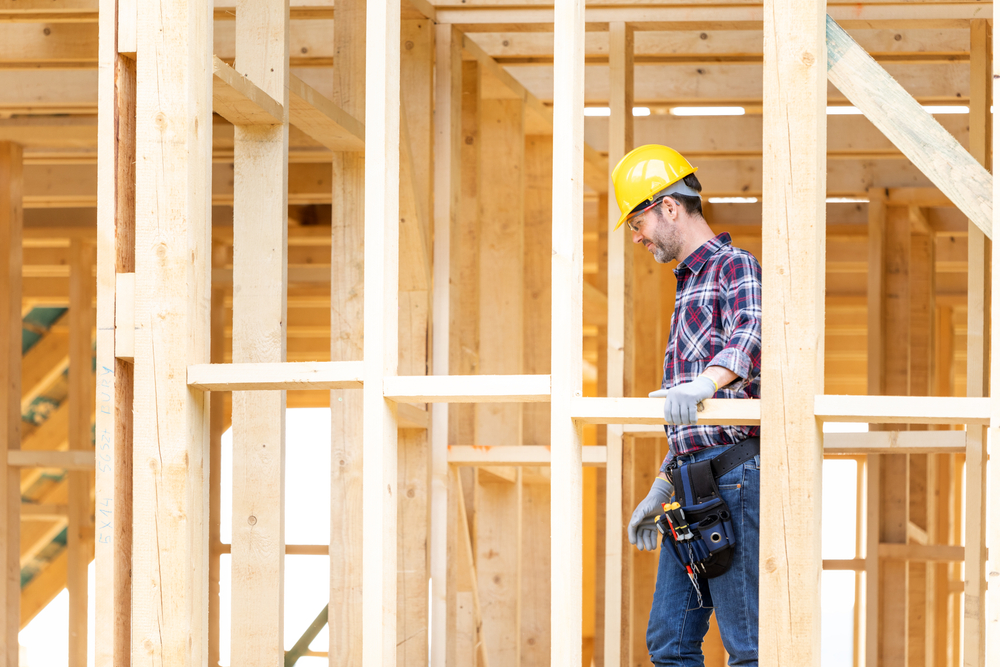
Timber frames are one of the most popular options and in the UK, the industry is based around off-site construction. Using this method, timber frame panels are factory prefabricated and then brought to the site ready to be erected. Whilst these panels take time to manufacture, they can be erected very quickly once on site.
Masonry makes use of an inner loadbearing skin, an outer skin, and a cavity. The inner skin gives support to the structure, while the outer skin protects the building from the elements. The cavity helps to protect the inner layer from moisture and provides a space for insulation too.