
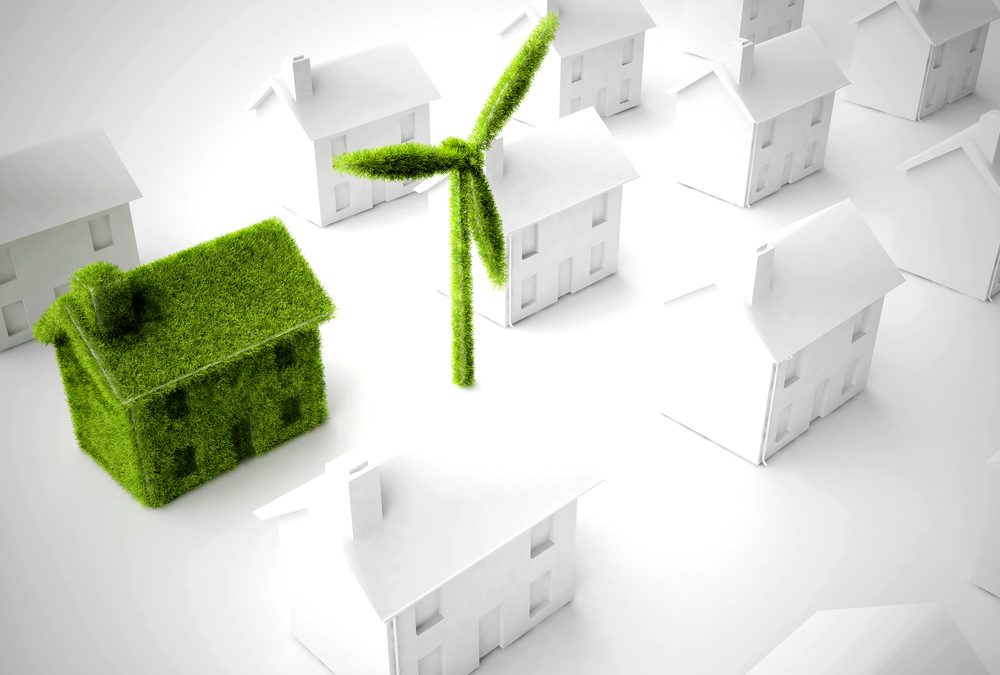
The built environment is currently one of the biggest contributors to the UK’s carbon footprint, and a sizeable percentage of these emissions can be attributed to the day-to-day running of a completed building. These major contributors to the carbon footprint include heating, ventilation, air conditioning, lighting, and electrical appliances.
Green properties have come a long way over the last few decades, and building a green property is beginning to become the norm instead of an alternative. Today, there are a range of eco-friendly materials and low-energy systems available on the market. As a result, going green has never been easier. Sam Najafi, property writer, has a keen interest in the changes that can be made to help building projects become more sustainable.
Eco-Friendly Materials
Material choices are an important consideration for any developer or individual looking to achieve a carbon neutral home. Understanding the materials that are available will help to maximise the performance of a building’s structural components and can help to reduce the reliance on mechanical heating, ventilation, and air conditioning systems. Over time, this will lower operational costs and boost energy efficiency.
The materials that are used in the roofs of properties can make a dramatic difference to the energy efficiency of a home. Materials that reflect the sun’s energy away from the roof might be a sensible choice, as they can reduce the energy costs related to heat. Materials including slate, terra cotta, special membranes and metal roofing all offer varying degrees of green benefits.
Using recycled materials for insulation will pay off in the short and long-term. The recycled nature of the materials means the upfront cost is lower than it would be for virgin materials. Despite the lower upfront cost there is no compromise on performance, as recycled options can perform as well or better than new insulation products.
Solar Power
When new homes are built, the developers have a unique opportunity to plan the inclusion of solar power in a way that just is not possible with older properties. The sun is the ultimate in clean, low-cost energy. By making solar power a native feature early on in a project, developers can take advantage of positioning and geography to get the greatest energy efficiency for their initial investment.